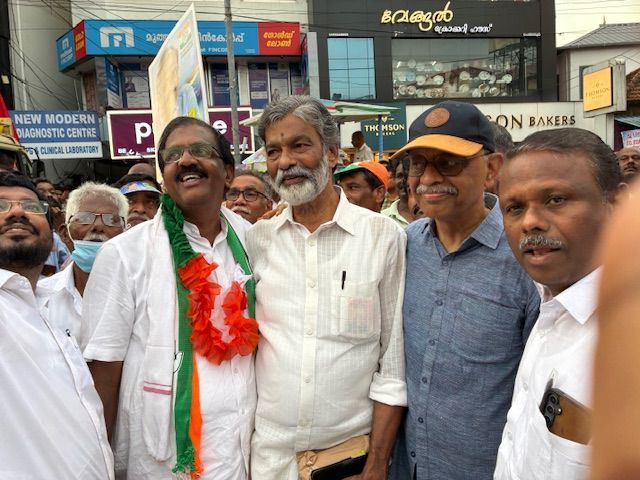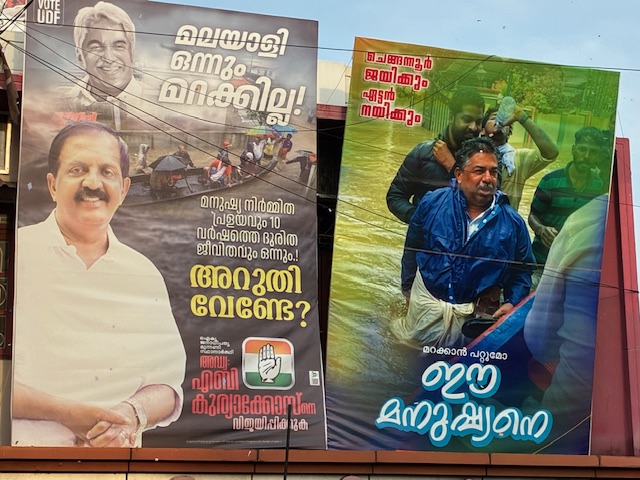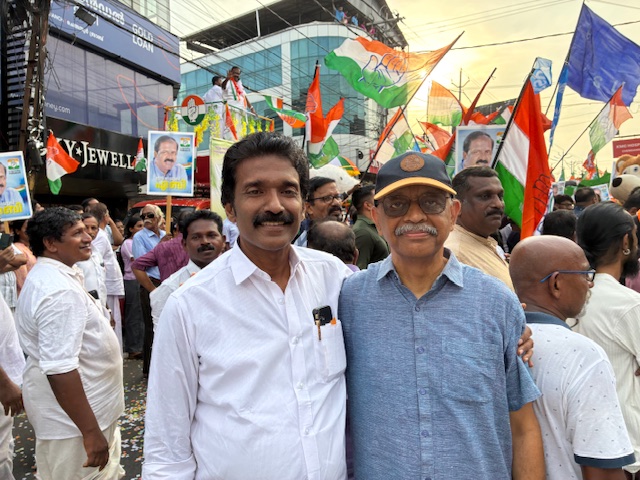















With the campaign curtain now drawn, Kerala stands poised to vote after three intense weeks of high-voltage political activity. The state witnessed an all-out push by the three major coalitions—the United Democratic Front (UDF), the Left Democratic Front (LDF), and the National Democratic Alliance (NDA), each striving to convince voters that they alone hold the answers to Kerala’s pressing challenges.
The messaging from each front reflected distinct political narratives. The UDF campaigned on the plank that change is both necessary and overdue. The LDF, seeking an unprecedented third consecutive term, countered with a question to voters: who else can credibly replace them? Meanwhile, the NDA attempted to position itself as a viable third alternative, urging voters to look beyond traditional bipolar politics in the name of development.
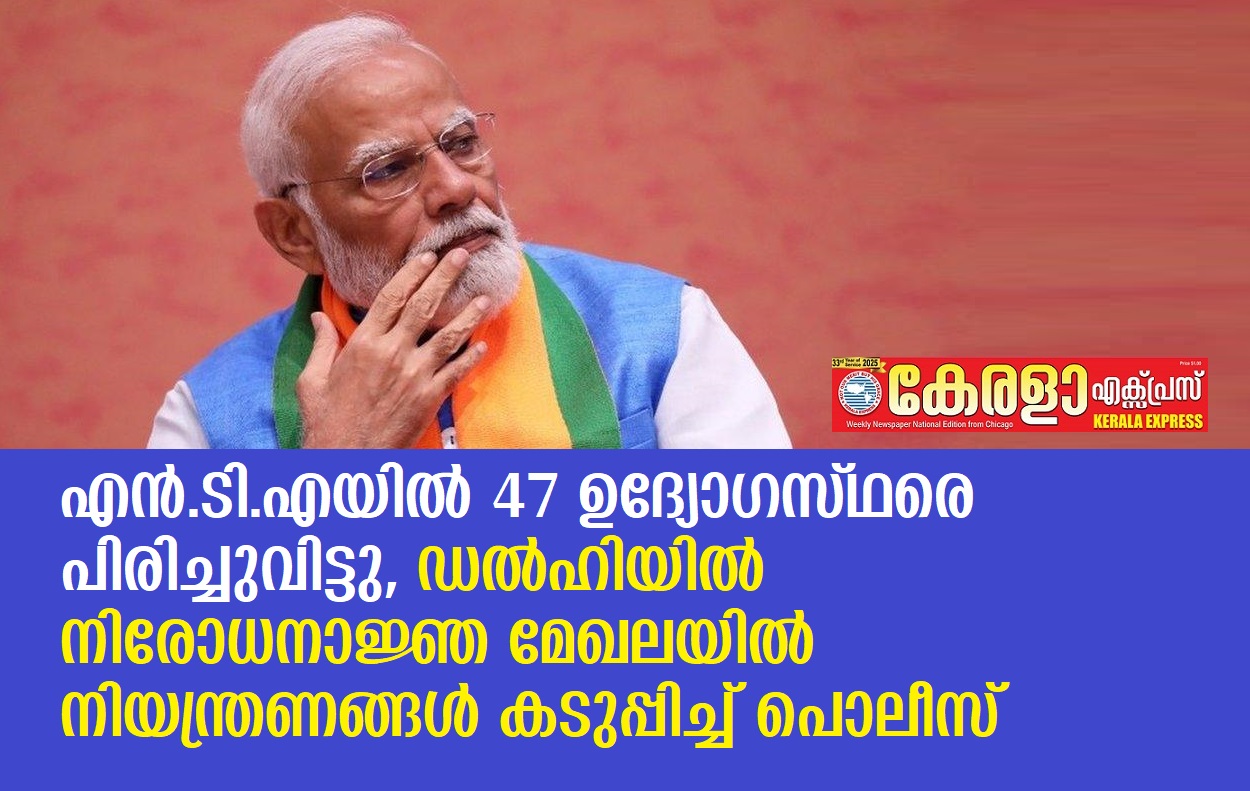
Adding to the campaign’s intensity was the intervention of Prime Minister Narendra Modi, who, addressing party workers in central Kerala, confidently declared that a “major change” was imminent and that the state would witness its first BJP-led NDA government. It was a striking assertion, particularly in a state whose socio-political fabric has historically resisted such realignments. Whether this was a calculated effort to energize the BJP’s grassroots base or a genuine reading of shifting ground realities remains open to interpretation.
From a long-term perspective, however, the emergence of an NDA government in Kerala still appears unlikely in the near future. That said, there are visible signs of incremental shifts. Sections of younger voters and upwardly mobile groups within the Hindu community appear increasingly receptive to the BJP’s messaging, influenced in part by its strong communication machinery and carefully crafted narratives. The party’s ability to remain in constant public discourse has, at the very least, ensured that it is no longer seen as peripheral.
At the national level, the performance of the government led by Narendra Modi since 2014 continues to be a subject of sharp debate. Critics point to rising financial stress in the banking sector over the years, including a significant surge in non-performing assets, as well as concerns about economic management. Questions have also been raised about inflationary pressures, currency volatility, and the pace of job creation, particularly in relation to the large number of young people entering the workforce.
There are also broader structural concerns. While urban centers have witnessed rapid growth in infrastructure and opportunities, rural India continues to face challenges in healthcare, education, and income stability. Agrarian distress remains a recurring issue, with farmers grappling with debt and pricing uncertainties. At the same time, wealth concentration and uneven investment patterns have added to economic disparities.
India’s external engagement strategy has also drawn mixed assessments. The country’s attempt to maintain broad diplomatic relationships has, at times, been seen as lacking clarity, with critics arguing that it has not always translated into strong, reliable partnerships during times of global uncertainty.
Against this backdrop, the relevance of national narratives in Kerala’s electoral context remains a matter of debate. For many voters, local governance, welfare delivery, and the state’s social fabric carry greater weight than broader ideological positioning.
One concern that has increasingly surfaced during the campaign is the growing undercurrent of polarization. Political rhetoric and strategies that emphasize identity divisions risk unsettling Kerala’s long-standing tradition of social harmony and coexistence. The state’s strength has always been its ability to accommodate diversity without descending into binary conflicts.
As voters head to the polling booths, the choice before them is not merely between competing alliances. It is also a decision about the kind of political culture Kerala wishes to preserve. The electorate has historically demonstrated a high degree of political awareness and independence, often resisting sweeping narratives in favor of grounded realities.
The verdict, when it comes, will not just determine who governs. It will signal whether Kerala continues along its distinctive path or begins to shift toward a different political trajectory.