














Over the years, my psychology patients have taught me some of the most valuable lessons about life. One big takeaway? Put purpose first—and build everything else around it.
Sounds simple, right? But let’s be honest: putting purpose at the center of our lives isn’t easy. Life gets busy. Responsibilities pile up. And before we know it, we’re chasing goals without asking the deeper question: Why am I doing this?
Here’s what I’ve learned: when we find beauty in life, we can also find purpose. And people who live with a sense of purpose tend to be happier, healthier, and even live longer. Purpose reduces depression, anger, frustration, and stress. It’s not just a mental health booster—it impacts physical health too.
The “Lunchbox” Life
I like to use the term “Lukose and Agnes’ lunchbox” as a metaphor. It represents the classic middle-class American dream: two incomes, a house, two kids, a couple of cars, and maybe a dog. We work hard to get there, and when we do, we feel satisfied—at least for a while. But then comes the struggle of maintaining that lifestyle. Sound familiar?
Take John, one of my patients. He had everything he thought he wanted, a good job, a nice home, and a family. But one day he told me, “I feel empty. I’ve checked all the boxes, but I don’t know why I’m doing any of this”. That’s purpose anxiety in action.
The Silent Struggle
Studies show that most people experience what I call purpose anxiety at some point. It’s that nagging feeling that whispers:
“What’s the meaning of my life? Is there a purpose? Why am I living like this?”
When we can’t answer those questions, frustration and anxiety creep in. And here’s the kicker: the root cause is often confusion between purpose and long-term goals.
Purpose vs. Goals
Goals are great. They give us direction—buying land, building a house, saving for retirement, planning our kids’ weddings. But those are long-term goals, not purpose.
Purpose is different. It’s process oriented. It’s about the small, meaningful actions that make us feel alive in the moment. Purpose is found in the everyday things that light us up—helping someone, creating something, connecting with others. It’s not about the distant finish line; it’s about the joy in the journey. Purpose is found in micro-actions. Call someone who needs support, write a gratitude note, volunteer for an hour.
For example, Maria, another patient, discovered her purpose in volunteering at a local animal shelter. She told me, “I may not have a big house or fancy car, but when I’m helping those animals, I feel alive.” That’s purpose—simple, yet powerful.
Then there’s David, a retired engineer. After decades of chasing career milestones, he felt lost when he stopped working. His turning point came when he started mentoring young students in STEM. “I thought my purpose ended with my job,” he said, “but now I see it’s about passing on what I know.”
And Sarah, a young mother, struggled with postpartum depression. Her breakthrough came when she began writing short stories during her baby’s nap time. “It’s just 20 minutes a day,” she said, “but it makes me feel like myself again.”
Here is the young man James, Graduate Student struggled with anxiety about his future. He constantly compared himself to peers who seemed “ahead.” His question was, “If I’m not hitting milestones like marriage or career success, am I failing?”
We reframed his thinking: instead of chasing distant goals, James started focusing on daily purpose—writing poetry, connecting with friends, and tutoring kids. Over time, his anxiety decreased because he found joy in the process, not just the outcome
Linda, empty nester, her children had moved out, and she felt lost. Her life had revolved around raising them, and now she asked, “What’s my role? What’s my purpose?”
In therapy, Linda discovered that purpose didn’t have to be grand. She began gardening and sharing produce with neighbors. That simple act of nurturing and giving brought her peace and renewed meaning.
The Role of Connection
Our well-being and success depend on social connections built on trust and reciprocity. Purpose often emerges through relationships. Join a community group, mentor someone, share your story. Try new activities without pressure. Attend a workshop, volunteer in a new setting, learn a skill.
And here’s the truth: the ultimate purpose of life is to make us happier, more peaceful, and healthier—inside and out. Happiness acts like a bridge between life’s struggles and contentment.
Think of happiness like a leaky tire. When something good happens, the tire fills up—but slowly, it deflates. That doesn’t mean you’re stuck with a flat tire. You just need to keep pumping air into it with small, joyful moments. When you start practicing a purpose-driven strategy and begin to experience more happiness and cheer, celebrate with family and friends—you’ll be gaining twice the joy.
If you want to change your destiny, learn to live with purpose. That’s the lesson. That’s the truth.
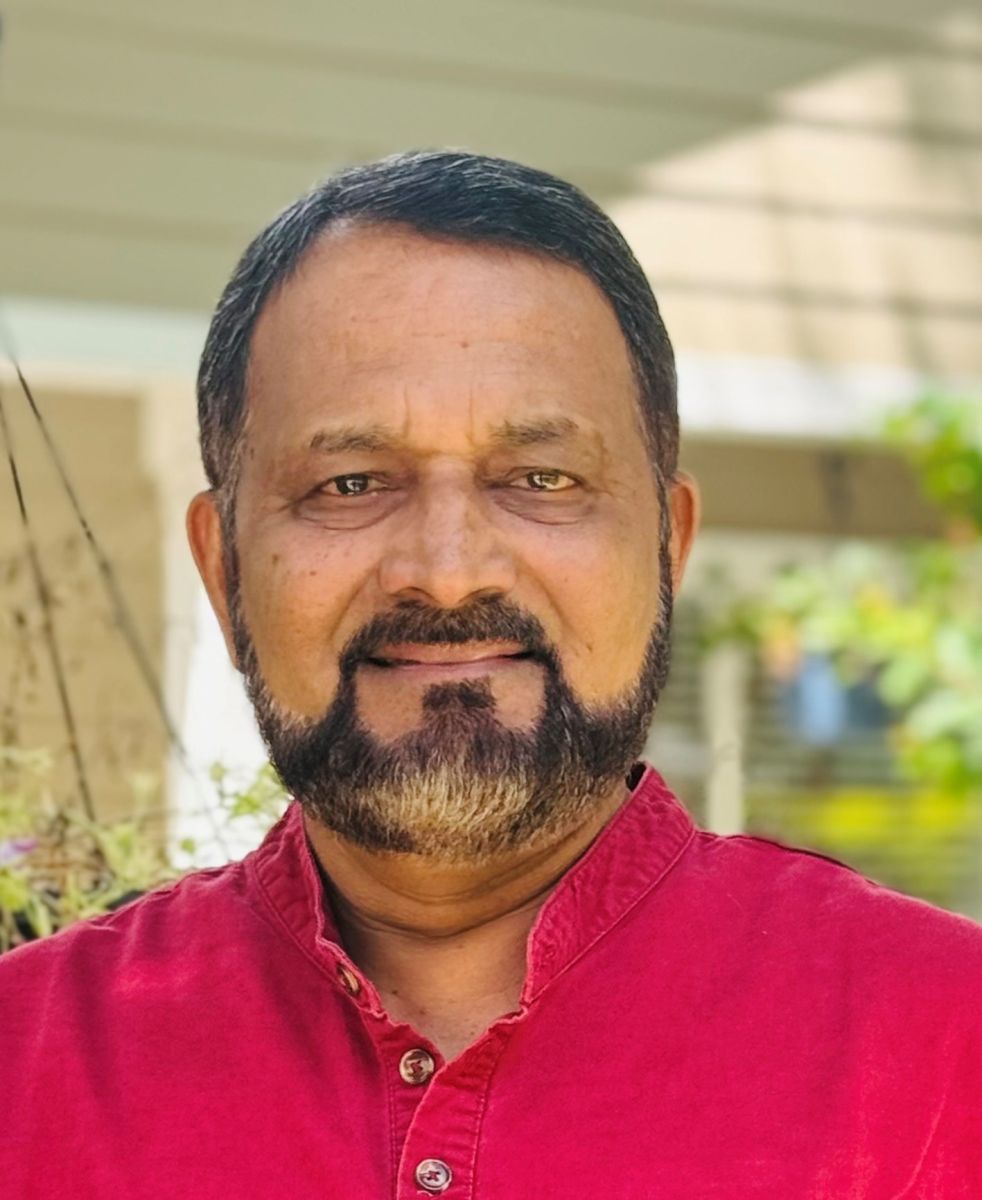
Lukose Jacob, LCSW